BBL vs IPL: Why We Chose Sciton
Why VIV chose the Sciton mJoule over a standard IPL, and what BBL and MOXI actually do for your skin, whatever your skin tone is.
.svg)

.svg)
Why VIV chose the Sciton mJoule over a standard IPL, and what BBL and MOXI actually do for your skin, whatever your skin tone is.
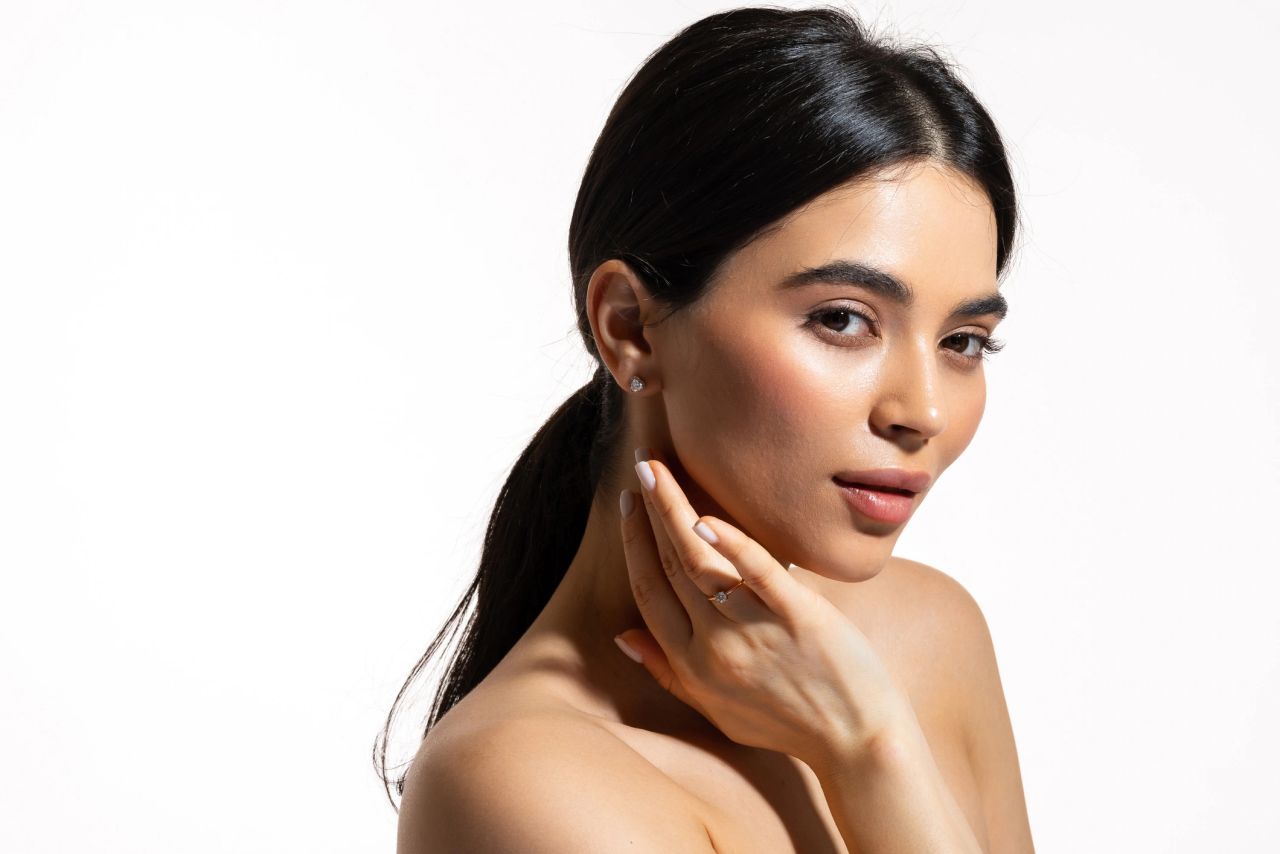
When we were building VIV Wellness, every equipment decision came down to one question.
Not "what is the most popular device?"
Not "what are other clinics using?"
Not even "what will produce the best before and after photos for our social media?"
The question was always: What device can we use to treat every patient who walks through our doors — regardless of their skin tone, background, age, or starting point — to the same standard of clinical care?
That question led us to the Sciton mJoule platform. And it led us away from standard IPL.
This is the story of why — and in telling it, we want to give you something genuinely useful: a clear, honest breakdown of what BBL is, what MOXI is, how they differ from IPL, and why those differences matter for your skin specifically.
Because an informed patient makes better decisions. And better decisions lead to better outcomes. That has always been VIV Wellness's philosophy.
Walk into most aesthetic clinics and ask about light-based skin treatments.
You will hear a range of terms — IPL, Photofacial, BBL, Laser Resurfacing, BroadBand Light, Skin Rejuvenation — used interchangeably, loosely, and often inaccurately.
This is not always intentional misdirection. The aesthetic industry has a genuine language problem — marketing terminology and clinical terminology have become so blurred that even well-meaning providers often use the same words to describe fundamentally different things.
For patients, this creates a real problem. You cannot meaningfully compare treatments, set realistic expectations, or understand what your skin actually needs if the terminology is imprecise.
We want to fix that — starting here.
IPL stands for Intense Pulsed Light. It is the oldest and most widely deployed light-based treatment technology in aesthetic medicine — available since the early 1990s and present in clinics across an enormous range of device quality levels, from sophisticated clinical platforms to basic machines that have no business being used on patients.
At its core, IPL is a broad-spectrum light source. Rather than delivering a single, precisely targeted wavelength, IPL emits multiple wavelengths of light simultaneously — typically between 500 and 1200 nanometres — across the treatment area. The energy interacts with multiple targets in the skin at once: melanin in pigmented spots, oxyhemoglobin in blood vessels, water in tissue.
For the right patient — (lighter skin tone, mild photodamage, general maintenance goals) — IPL with a quality device can produce real improvement. We want to be fair about that.
But here is where IPL's limitations become a values issue, not just a clinical one.
Because IPL distributes broad-spectrum energy across multiple wavelengths simultaneously, it is inherently less precise than technologies that concentrate energy at specific, controlled wavelength ranges. And because it is less precise, it carries a significantly higher risk of post-inflammatory hyperpigmentation — darkening of the skin — in patients with Fitzpatrick IV, V, and VI skin tones.
Darker skin tones have higher baseline melanin concentration throughout the epidermis. When broad-spectrum IPL energy is delivered, the surrounding melanin absorbs collateral energy that was never intended for it. The result can be burns, blotching, uneven pigmentation, and treatment outcomes that are worse than doing nothing at all.
In practical terms, this means that a significant portion of the population — patients of colour, patients with olive to dark skin tones, patients with ethnic backgrounds that are heavily represented in a diverse city like Dallas — have been historically told that light-based skin treatments "aren't safe for their skin type."
That is not entirely true. What is true is that standard IPL isn't safe for their skin type. The limitation belongs to the device — not to the patient.
This distinction is everything. And it is the reason we chose not to invest in the standard IPL at VIV Wellness.
Dallas is one of the most beautifully diverse cities in the United States!
The patients who come to VIV Wellness reflect that diversity — across skin tone, ethnicity, age, gender, and background. And from the very beginning, we knew that building a practice that could only safely treat part of that community was never something we were willing to accept.
Aesthetic medicine has a diversity problem. The clinical research that most devices are built on, the protocols that most clinics use, and the treatment standards that the industry has normalised were developed predominantly around lighter skin tones.
Patients with darker skin have been managing the consequences of that gap for decades — offered fewer options, treated with higher risk, and too often turned away entirely.
We are not interested in continuing that pattern.
When we evaluated devices for VIV Wellness, our non-negotiable requirement was a platform capable of delivering safe, effective, clinically meaningful light-based treatment across the full Fitzpatrick spectrum — Fitzpatrick I through VI. Not most of it. All of it.
That requirement eliminated standard IPL immediately. It led us directly to the Sciton mJoule.
BBL stands for BroadBand Light. It is a proprietary technology developed by Sciton — and despite sharing the word "light" with IPL, it is built on an entirely different engineering philosophy.
The fundamental difference is control.
→ Precise Wavelength Filtration.
Where IPL scatters energy across a broad spectrum, BBL uses a sophisticated filter system to select specific wavelength ranges based on the clinical target. Treating pigmentation? The filter concentrates energy in the melanin-absorbing range. Treating redness and vascular irregularity? The filter shifts to the oxyhemoglobin-absorbing range. The energy reaches the intended target more efficiently. Less collateral energy reaches the surrounding tissue. The treatment is safer, more precise, and more consistent.
→ Thermoelectric Cooling.
The BBL handpiece maintains active contact cooling throughout the treatment — keeping the epidermis at a controlled, protected temperature while energy is delivered to deeper targets. This is what allows BBL to be deployed at higher therapeutic energy levels than IPL while maintaining a better safety profile, particularly in patients with higher baseline melanin levels.
→ Computer-Controlled, Reproducible Parameters.
BBL's energy delivery is precisely calibrated and consistent across sessions. This reproducibility is what makes results predictable and progressive — and what makes meaningful before-and-after comparison possible.
→ ForeverYoung and ForeverClear — the BBL protocols we offer at VIV Wellness.
Sciton's BBL platform powers two distinct treatment approaches. ForeverYoung is the skin rejuvenation protocol — targeting pigmentation, sun damage, vascular irregularity, and overall skin tone while driving the biological changes documented in the Stanford University research discussed below. ForeverClear is an acne-specific protocol — using a sequence of wavelengths to address the bacteria, inflammation, and sebaceous activity driving active acne, without the systemic side effects of pharmaceutical alternatives.
Both are available at VIV Wellness. Both are delivered on the Sciton mJoule platform. And both are calibrated to each patient's individual skin — not applied at a default setting designed for a skin type that is not theirs.
→ Pigmentation and Sunspots.
Melanin in pigmented lesions — solar lentigines, freckles, age spots, post-inflammatory hyperpigmentation — absorbs BBL energy at the melanin-targeted wavelength setting. The absorbed energy causes selective Photothermolysis of the pigmented lesion, which then rises to the skin surface as a darkened crust and sheds over the following seven to fourteen days. The result is a genuine reduction in melanin load in the tissue — not a surface bleaching effect that fades as the melanin regenerates.
→ Vascular Irregularity and Redness.
Rosacea, broken capillaries, spider veins, diffuse facial redness, and the visible vascular irregularity that develops with age and sun exposure. BBL's oxyhemoglobin-targeting wavelength delivers energy to the blood vessel wall, producing a controlled thermal response that collapses the vessel and allows the body to reabsorb it over the following weeks. The resulting reduction in redness and vascular irregularity is structural — the treated vessels are gone, not temporarily constricted.
→ Overall Skin Tone, Clarity, and Brightness.
Beyond specific pigmented lesions and vascular structures, BBL produces a broader dermal response that progressively improves overall skin tone, clarity, and reflectivity. The mild controlled thermal response activates fibroblast activity and stimulates early collagen production, contributing to a skin quality improvement that extends beyond the specific targets of any individual treatment.
→ The ForeverYoung Science — What Makes BBL Genuinely Different.
Researchers at Stanford University conducted a long-term study on patients who had received regular BBL treatments over the years. They compared the gene expression profile of their skin to that of untreated skin of equivalent chronological age.
The finding was significant: regular BBL treatment altered the gene expression profile of aging skin — specifically, shifting it closer to that of younger skin at the molecular level. Genes associated with the aging process were downregulated. Genes associated with healthy, youthful skin function were upregulated.
This research, published in the Journal of Investigative Dermatology, suggests that BBL, when used as a regular maintenance protocol, does not merely treat the visible consequences of aging.
It modifies how the skin behaves biologically at the cellular level. No equivalent research has been produced for standard IPL, because no standard IPL device delivers an equivalent treatment.
MOXI is a non-ablative fractional laser — a 1927nm thulium fiber laser — built on the same Sciton mJoule platform as BBL. It shares a platform but not a mechanism. Where BBL works through selective photothermolysis of specific chromophores, MOXI works through fractional photothermal energy — creating thousands of microscopic treatment zones distributed across the skin that trigger a wound healing and tissue renewal response in the surrounding tissue.
BBL treats what is already visible. MOXI renews the tissue beneath it.
And for our diverse patient community, MOXI represents something that goes beyond clinical capability. It represents access.
Because MOXI is a non-selective fractional laser — it does not target melanin specifically — it does not carry the same risk of collateral melanin absorption that makes high-fluence light-based treatments difficult to deploy safely in darker skin tones.
Patients with Fitzpatrick IV, V, and VI — patients who have spent years being told that resurfacing treatments are not safe for their skin — are frequently excellent MOXI candidates.
For us, this is not a footnote. This is the point.
→ Texture and Skin Surface Quality.
Fine lines, surface roughness, enlarged pores, and the gradual loss of skin quality that accumulates through the twenties and thirties. MOXI's fractional approach resurfaces the skin incrementally — producing progressive improvement with significantly less downtime than ablative alternatives.
→ Early and Pre-Clinical Photodamage.
The UV damage that will express visibly in ten years is present in the skin right now — as dysfunctional melanocytes, degraded collagen, and oxidatively damaged cellular structures below the visible threshold. MOXI addresses pre-clinical damage before it becomes a clinical problem, making it one of the most valuable preventive treatments available from the mid-twenties onward.
→ Complex Pigmentation, Including Melasma.
Melasma — hormonally influenced and frequently resistant to aggressive light-based treatment — responds well to MOXI's non-selective mechanism. Rather than delivering high-fluence energy to melanin, MOXI stimulates the cellular renewal that gradually normalises dysfunctional melanocyte behavior. This approach reduces the risk of triggering reactive hyperpigmentation that high-fluence IPL and some BBL settings carry in hormonally sensitive pigmentation.
→ Collagen Stimulation and Structural Improvement.
The wound healing response triggered by MOXI's fractional zones produces new collagen synthesis in the surrounding dermis, progressively improving skin density, firmness, and resilience over the weeks following treatment.
→ Skin Quality Across All Skin Tones.
This bears repeating — because it matters. MOXI's lower-fluence, non-selective fractional approach makes it appropriate across the full Fitzpatrick spectrum with appropriate clinical calibration. Every patient deserves access to effective skin resurfacing. MOXI makes that possible in a way that standard IPL simply cannot.
The most comprehensive light-based treatment we offer combines BBL ForeverYoung and MOXI in a single session — and for patients whose goals include both pigmentation correction and overall skin quality improvement, it is the combination that delivers the most complete result.
MOXI goes first. The fractional channels it creates in the skin activate the initial healing response and enhance the penetration of subsequent treatment.
BBL ForeverYoung follows immediately — delivering targeted energy to vascular and pigmentation concerns while the skin's inflammatory response is already engaged.
The combined result: fractional resurfacing, tissue renewal, pigmentation reduction, vascular clearance, and collagen stimulation — in one session, with recovery comparable to MOXI alone.
The synergy is not coincidental. These treatments were built on the same platform, designed to complement each other, and the combined outcome consistently exceeds what either achieves independently.
BBL ForeverYoung and ForeverClear are appropriate for Fitzpatrick I through IV for primary pigmentation, vascular, and acne concerns. For Fitzpatrick V and VI, treatment is possible with appropriately calibrated parameters and experienced clinical judgment — which is exactly what we provide.
MOXI is appropriate across the full Fitzpatrick range — I through VI — and from the late twenties onward as both a preventive and corrective treatment.
Neither treatment is appropriate during active tan, recent significant sun exposure, or pregnancy. A thorough clinical assessment of your skin type, photodamage history, medications, and individual goals always precedes treatment at VIV Wellness.
Downtime for BBL alone is minimal — mild redness and temporary darkening of pigmented lesions for a few days. MOXI produces mild redness, some swelling, and a sandpaper-like texture as micro-crusts shed over four to seven days. The combined protocol has recovery consistent with MOXI alone.
We could have invested in IPL. It's less expensive, widely used, and can deliver good results for the right patient.
But it would have meant turning away — or accepting higher risk for — a significant portion of our patient community. Patients with beautiful, rich, deeper skin tones who deserve the same quality of care, the same access to effective treatment, and the same opportunity for results as anyone else.
That was never a compromise we were willing to make.
The Sciton mJoule — with BBL ForeverYoung, ForeverClear, and MOXI — is the platform that makes it possible to offer genuinely excellent, genuinely safe, genuinely effective light-based treatment to every patient we see.
Not most of our patients. Every patient.
That is what inclusivity looks like in a clinical setting. Not a statement on a website. A device on the treatment table.
We are proud of this choice. And we are proud to be a practice where every patient — regardless of their skin tone, their background, or their starting point — receives the same standard of care.
Want to discuss what BBL/MOXI can do for your skin? Schedule a consultation with our expert providers at VIV Wellness.
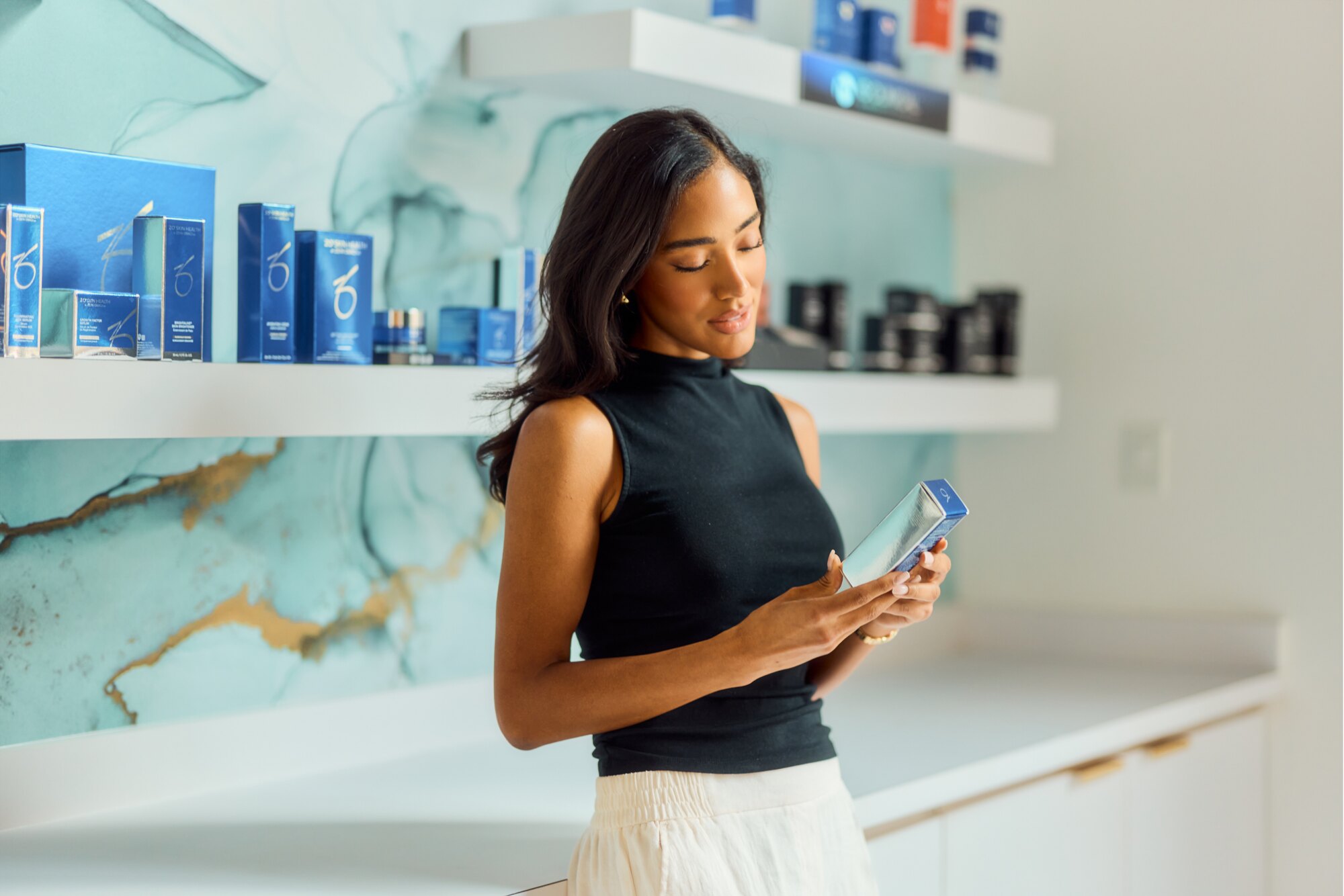
Why VIV stands apart in a crowded market: physician-owned, operated and supervised, with aesthetics and wellness under one roof.
Read More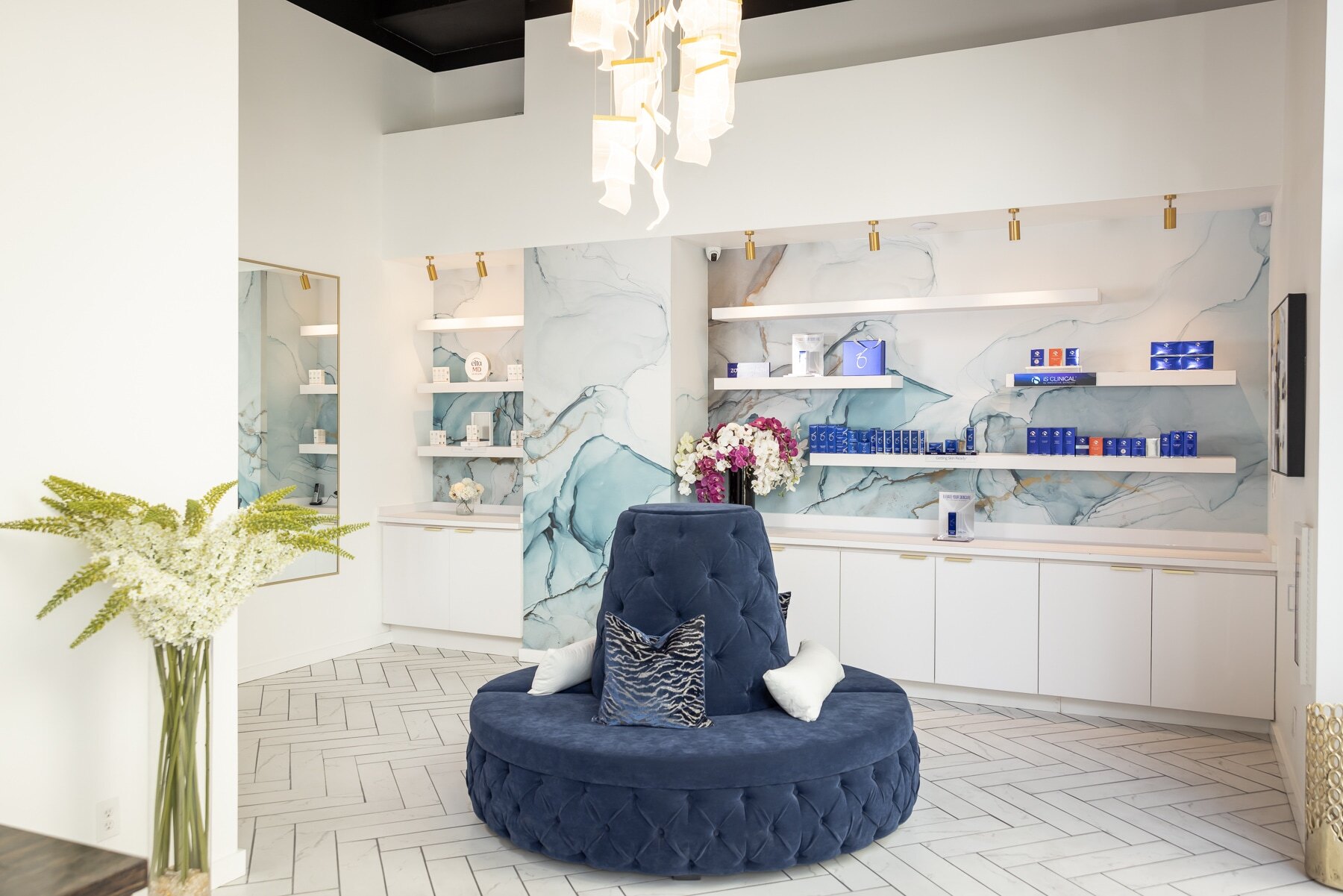
VIV Wellness and Dr. Heather Gano named Best Longevity & Wellness Destination in Modern Luxury Dallas's annual Best of the City guide.
Read More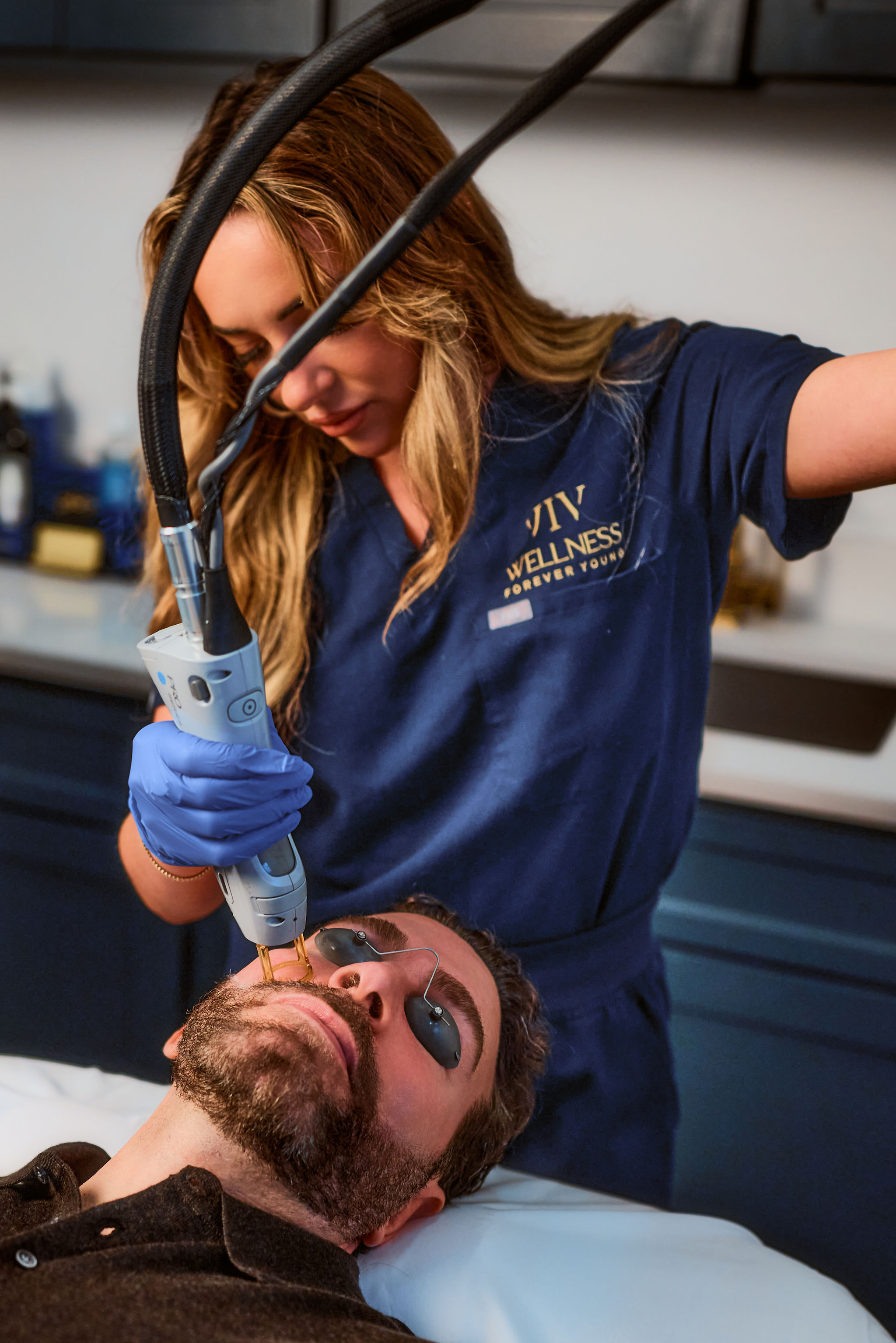
Male skin is roughly 25% thicker and ages on a different curve — why protocols built for female tissue miss, and what we do instead.
Read More